
How to Handle & Prevent Frozen Pipes This Winter
Rochester winters put every part of your home to the test. When the temperature stays below freezing for days at a time, it is not just your furnace working harder. The water lines tucked behind your walls, in your basement, and along exterior walls are under stress, too.
A frozen pipe can be scary, but it does not have to turn into a major disaster.
If you know how to spot the early warning signs and take the right steps, you can often avoid serious water damage. If you wait too long, the pressure that builds up behind the ice can cause a pipe to burst and send gallons of water into your home in just a few minutes.
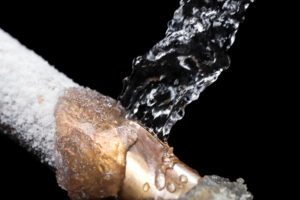
In this article, we will walk through what to do as soon as you suspect a frozen pipe, the common signs to look for, safe ways to thaw a pipe, and how your home’s heating, insulation, and overall comfort play a role in preventing frozen pipes in the future.
What To Do When Your Pipes Freeze
If you discover or suspect that a pipe is frozen, the most important thing is to act quickly and safely.
In most cases, you should:
- Turn off your home’s main water shutoff valve.
- Open faucets on that line to relieve pressure.
- Use a safe heat source to warm the frozen section of pipe until it thaws.
Frozen pipes are fairly common in our climate once temperatures dip into the teens, especially near Lake Ontario and across Monroe County. The ice itself is not what breaks the pipe. The real danger is the water pressure that builds up behind an ice blockage. Once that pressure has nowhere to go, the pipe splits, and water begins pouring into your home.
Because overnight temperatures in January and February often stay well below freezing, it is worth knowing how to recognize the problem early.
Four Signs Your Pipes May Be Frozen
Safe Ways To Thaw A Frozen Pipe
If you suspect a pipe is frozen but has not burst, you can often thaw it yourself as long as you work carefully.
Always start by turning off your main water shutoff valve, so no additional water enters the line. Then open faucets on that line so any pressure has somewhere to go, and melting water can begin to flow. When water starts to trickle from the open tap, you will know you are making progress.
From there, you can use one of these approaches.
Gently Warm The Pipe With A Hair Dryer Or Space Heater
A hair dryer is often the easiest tool for thawing a frozen pipe. Aim the warm air at the suspected frozen section and move slowly along the pipe. Keep electrical cords and devices away from standing water and never use an open flame, such as a torch or lighter. Open flames can damage plumbing and create a fire hazard.
If you are not sure where the ice is, start near where the water line enters the house, usually in the basement or mechanical room, and gradually work along the line toward the affected faucet. A small space heater can also help warm a small room or enclosed area where pipes run close to exterior walls.
Wrap The Pipe With Warm, Damp Towels
If you do not have a portable heater or dryer, you can use towels soaked in warm (not boiling) water. Wrap the towels around the pipe where you suspect it is frozen and replace them as they cool. The warmth from the towels transfers into the metal or plastic and gradually melts the ice inside.
This method takes a bit more time but can be effective, especially in tight spots where it is hard to aim a hair dryer.
Use Electric Heat Cable On Problem Areas
If you deal with frozen pipes more than once in a winter, heat tape or heat cable can be a helpful long-term tool. This product wraps around the pipe and warms it when plugged in. Follow the manufacturer’s instructions carefully and make sure the cable is rated for the type of pipe you are treating.
Heat cable works well for pipes in crawlspaces, unconditioned basements, or other areas that tend to run very cold in extreme weather.
When To Call A Professional
Even if you are comfortable doing some of this work yourself, there are times when it is safer and more effective to call in help.
If you cannot locate the frozen section but have no water, the ice may be in a section of pipe hidden behind walls or ceilings. If you see any signs of a leak, such as damp drywall or pooling water, turn off the main and call a licensed plumber right away. They can repair the line, help you limit water damage, and advise you on what materials need to be dried or removed.
If the frozen pipe happens at the same time as a heating problem, such as no heat on a very cold night, you may also need emergency heating service from a company that offers 24/7 emergency HVAC service. Loss of heat and frozen plumbing often go together, so it is important to restore both as quickly as possible.
Finally, if the same pipes freeze over and over again, that is usually a sign of a bigger comfort or insulation issue. At that point, it makes sense to talk with a professional about your heating system, airflow, and problem areas in your home.
How Your Home’s Heating And Comfort Affects Frozen Pipes
Airquip does not replace broken plumbing, but we can help you address some of the conditions that make frozen pipes more likely in the first place. Pipes usually freeze in areas where the home is not staying as warm as it should. That might be a drafty addition, a room over a garage, a basement corner, or an area with poor airflow from your heating system.
If you suspect your heating system is not keeping parts of your home warm enough, professional heating services can help you look at the equipment, ductwork, and thermostat settings that control those rooms. Sometimes a straightforward repair is enough to improve performance in cold corners of the house.
Routine HVAC maintenance services also play a role. A system that is cleaned, inspected, and tuned on a regular schedule is more likely to deliver even, reliable heat to every room. That helps reduce cold spots near exterior walls and lowers the odds of pipes sitting in pockets of very cold air.
Home performance improvements matter too. If frozen pipes are a recurring issue, it is worth considering insulation, air leaks, and how evenly your home is heated during cold snaps. Simple winter home prep steps like sealing gaps around windows and doors, insulating rim joists, and addressing drafty basements can make those vulnerable areas significantly warmer.
Need Help Keeping Your Rochester Home Warm And Protected?
Frozen pipes are stressful, but you do not have to work through the root cause alone. If parts of your home never feel warm enough or you are dealing with frozen pipes more than once a season, it is a good sign that your heating, airflow, or insulation needs a closer look.
Need help getting started? Contact us to schedule your service or request a personalized recommendation to keep your home more comfortable and reduce the risk of frozen pipes in the future.