
Understanding Air Conditioner SEER Ratings and Tonnage
If you’re in the market for a new air conditioner, you’ve likely come across terms like SEER and tonnage. These are important factors to consider when choosing the right unit for your home or business. Let’s delve into what these terms mean and why they matter.
What Does Tonnage Mean for an Air Conditioner?
Tonnage measures an air conditioner’s capacity to remove heat from an area in one hour. Despite the term “ton,” it doesn’t relate to the weight of the unit. Instead, one ton of air conditioning can remove 12,000 British Thermal Units (BTUs) per hour.
A BTU is a measure of heat—specifically, the amount of heat required to raise the temperature of one pound of water by one degree Fahrenheit.
Choosing the correct tonnage is crucial for efficient cooling. A system that’s too small won’t cool your home properly and will wear out faster due to constant overworking. Conversely, an oversized system will waste energy. On average, a home requires one ton of air conditioning per 400 to 1,000 square feet, depending on factors like the number of windows, ceiling height, and airflow.
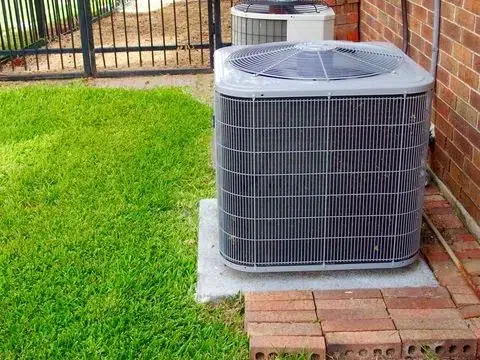
What is an air conditioner SEER rating?
SEER stands for Seasonal Energy Efficiency Ratio. It measures the energy efficiency of an air conditioner over a typical cooling season. The ratings range from 13 to 25 for central air units, with higher ratings indicating greater efficiency.
The SEER rating is calculated by dividing the total heat removed (in BTUs) during the cooling season by the total energy consumed (in kilowatt-hours, or kWh). Therefore, a higher SEER rating means the unit uses less energy to cool your home, resulting in lower utility bills.
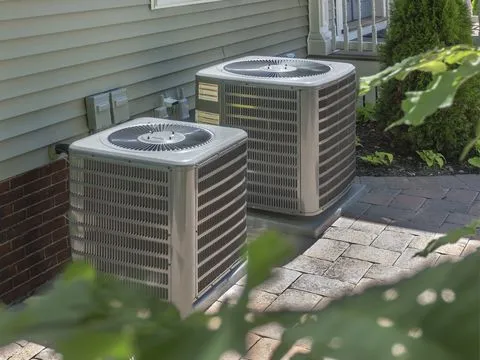
How Can a SEER Rating Save You Money?
A higher SEER rating translates to lower energy consumption and, consequently, reduced monthly utility bills. Additionally, you might qualify for rebates when installing high-efficiency models, making them even more cost-effective.
Since 2008, the U.S. Department of Energy requires all central air units to have a minimum SEER rating of 13. Energy Star certification, managed by the Environmental Protection Agency, highlights appliances that exceed standard efficiency levels. Central air conditioners with a SEER rating of 14.5 or higher qualify for this certification.
Although window units typically have lower SEER ratings (around 10), they are less efficient and cost more in energy bills over time compared to central air systems. High-efficiency systems often have higher upfront costs, but they offer long-term savings through reduced energy bills and potential rebates from energy companies.
Making the Right Choice
When selecting a new air conditioning system, balance your budget with efficiency needs. Higher SEER ratings provide significant savings and environmental benefits, but initial costs can be higher. Check with local electricity providers and energy groups for potential rebates on high-efficiency or Energy Star-certified units, which can offset some of the initial costs.
Understanding SEER ratings and tonnage helps you choose the right air conditioning unit, ensuring optimal comfort, efficiency, and cost savings for your home or business.