
Choosing the Right Air Filter for Your Home
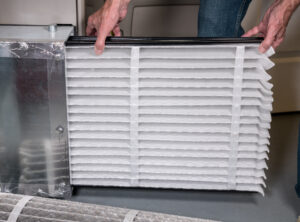
Air filters do not get much attention, but they quietly do a lot of work for your home. They help protect your HVAC system, reduce dust and allergens, and support healthier air for everyone who lives there. If you have a forced air system with ductwork and vents, your filter is a key part of how that system works and how your heating and cooling system can affect air quality in your home.
Choosing the right air filter and changing it on a regular schedule is one of the simplest ways to take care of both your equipment and your family’s comfort.
How Your Air Filter Works
In a ducted system, air is pulled from your home through the return vents, passes through the filter, is heated or cooled by your equipment, and then is pushed back out through the supply vents.
The filter sits in the middle of that process and has two main jobs:
- Catch dust, pet dander, pollen, and other particles before they circulate through your home
- Protect the internal parts of your furnace or air handler from buildup and debris
When the filter is the wrong type or is overdue for a change, air has a harder time moving through the system. That can lead to poor air quality, higher energy bills, and extra wear on your equipment.
Types of Home Air Filters
Many homeowners only look at price and size, but the type of filter you choose makes a big difference. Here are the most common options you will see.
Fiberglass Filters
These are the thin, inexpensive blue or white filters you often see in home improvement stores. They are made from spun fiberglass and are designed mainly to protect the equipment and catch larger dust and debris.
Fiberglass filters are better than nothing, but they do very little to improve indoor air quality. They are usually a good fit only for homes where allergies, asthma, and air quality are not a concern.
Pleated Filters
Pleated filters are a step up and are often a better everyday choice for Rochester homes.
They use folded (pleated) material to increase surface area and capture more fine particles than fiberglass. Pleated filters are available in a range of efficiency levels, so you can choose one that balances cleaner air with proper airflow.
For many homes, a properly sized pleated filter with a moderate efficiency rating is a good balance between cleaner air and a system that can still breathe easily.
HEPA Filters
HEPA stands for High Efficiency Particulate Air. These filters offer extremely fine filtration and are often used in hospitals, labs, and other spaces that need very clean air.
True HEPA filters are usually not installed directly in standard residential HVAC systems because they can restrict airflow too much unless the system is designed for them. In homes, HEPA-level filtration is more often found in dedicated air purifiers or special add-on units. If you are exploring whole-home options, Airquip’s air purifiers and indoor air quality products and services are a good next step.
Understanding Filter Ratings (MERV)
When you shop for filters, you will see a rating called MERV, which stands for Minimum Efficiency Reporting Value. It is a scale from 1 to 16 that tells you how effective the filter is at capturing particles of different sizes.
- Lower MERV (1 to 4) offers basic protection for larger particles
- Medium MERV (5 to 8) captures more common household dust and lint
- Higher MERV (9 to 13) targets smaller particles like pollen, pet dander, and some bacteria
Most homes do well with a medium to higher MERV filter that your equipment can handle comfortably. Going too high without checking with a professional can reduce airflow if your system and ductwork were not designed for it.
If someone in your home has allergies, asthma, or other breathing issues, a higher-rated pleated filter may be worth it, as long as your system can support it.
How To Choose the Right Air Filter for Your Home
When you are standing in front of a shelf full of filters, keep these points in mind.
First, make sure you have the right size. Check the size printed on your existing filter or the furnace’s filter slot. Using the wrong dimensions can allow air to bypass the filter entirely.
Next, think about the people living in your home. If you have small children, older adults, or anyone with asthma or breathing problems, choosing a higher-efficiency pleated filter and changing it regularly is often a smart choice.
It is also important to consider what your equipment allows. Your furnace or air handler is designed for a certain range of pressure and airflow. If you are thinking about moving to a much higher MERV rating, it is a good idea to talk with an HVAC professional first so you do not accidentally restrict airflow.
Finally, decide whether you need more than a standard filter. If you are very concerned about indoor air quality, you may want to pair a good filter with an air purification product.
Why Regular Filter Changes Matter
Choosing the right filter is the first step. Changing it on a regular schedule is just as important.

Most one-inch thick filters should be checked monthly and changed every 1 to 3 months, depending on pets, smoking, how often the system runs, and dust levels. Thicker media filters often have a longer service interval, but they still need regular replacement.
Here is what you gain by staying on top of filter changes.
A Healthier Home
Clean filters help reduce the amount of dust, pollen, pet dander, and other particles that circulate through your home. During cold and flu season or peak allergy times, cleaner air can make a noticeable difference in how you feel.
This is especially important if you have young children, older adults, or anyone with respiratory issues living in your home.
Better Protection for Your HVAC System
When a filter is clogged or missing, more dust and debris make their way into the furnace or air handler. Over time, this buildup can reduce efficiency, cause parts to overheat, and lead to premature wear and tear. It’s also important to note that staying on top of your filters can be a simple step to lowering costs during colder months.
Your heating and cooling system is a major investment. Keeping a clean, correctly chosen filter in place is one of the simplest ways to help it last longer and run better.
Less Dust And Fewer Odors
A good filter can help reduce how quickly dust builds up on surfaces. It can also help catch some of the particles that contribute to stale or unpleasant odors, especially in homes with pets.
For homes that struggle with lingering smells or heavy dust, combining an appropriately rated filter with an air purification product from Airquip’s indoor air quality products and services lineup can make a real difference.
Need Help With Filters Or Indoor Air Quality?
Air filters may be small, but they play a big role in your comfort and your system’s health. If you are unsure which filter is right for your home, how often you should change it, or whether you would benefit from an air purifier or upgraded indoor air quality products and services, we are here to help.
Need help getting started? Contact us to schedule your service or request a personalized recommendation for air filters and indoor air quality in your home.