
 Few things test a home’s comfort like struggling central air in the middle of summer. When the temperature climbs, and your system can’t keep up, it’s easy to feel stuck between two questions.
Should you call for a repair, or is it time to consider a replacement?
That decision is not always simple, especially when your A/C system has been reliable for years. But knowing the difference between a temporary fix and a sign of bigger issues can help you make a decision with confidence instead of guesswork.
Why This Decision Feels So Difficult
Air conditioners rarely fail all at once. Instead, most systems show small warning signs first: a strange noise, a room that never quite cools, a system that runs longer than it used to. Homeowners often patch these issues one at a time, hoping each fix will be the last one.
If your system is starting to feel unpredictable, that uncertainty is worth paying attention to. It usually means something more is going on, and hvac repair vs. A/C system replacement becomes less about the immediate problem and more about the overall health of the system.
Signs Your AC May Just Need a Repair
Not every issue means your system is on its way out. In many cases, a repair is a straightforward solution, especially when:
- The system is relatively young and has had a clean maintenance history
- The issue is isolated, such as a faulty capacitor or a worn fan motor
- Your home has been cooling consistently, with this being an unusual disruption
- You’ve kept up with routine maintenance and filter changes, which helps rule out simpler causes like restricted airflow
If your system checks these boxes, an A/C system repair can often restore full performance without much disruption to your summer.
Signs It May Be Time to Replace Your AC
On the other hand, some patterns point toward a bigger decision. You may be looking at replacement territory if:
- Your system is older and has required multiple repairs in the past year or two
- Certain rooms in your home never cool evenly, and an evaluation has ruled out problems with airflow, ductwork, insulation, or system balancing
- You’ve noticed a steady decline in performance, even after recent repairs
- The unit is struggling to maintain a reasonable indoor temperature during hot weather, even after airflow, maintenance, and other correctable issues have been addressed
None of these signs alone means air conditioning system replacement is automatic. But when a few of them show up together, it’s usually a sign that the system is working harder than it should, and that a repair may only offer short-term relief.
The Cost of Waiting Too Long
Putting off this decision doesn’t make it disappear. It usually means living with a system that underperforms right when you need it most. A struggling AC in July doesn’t just mean an uncomfortable afternoon. It can mean uneven temperatures throughout the house, more strain on the equipment, and a higher chance of the system failing completely during a stretch of extreme heat, when HVAC technicians are in the highest demand of the year.
A struggling system can also affect more than temperature. Because your air conditioner circulates air and removes moisture, performance problems can sometimes contribute to poor airflow, uneven humidity, or a home that feels stuffy even when the thermostat is set correctly. Those issues can have several possible causes, but your AC’s performance may be part of the picture.
Why an Assessment Matters More Than Guesswork
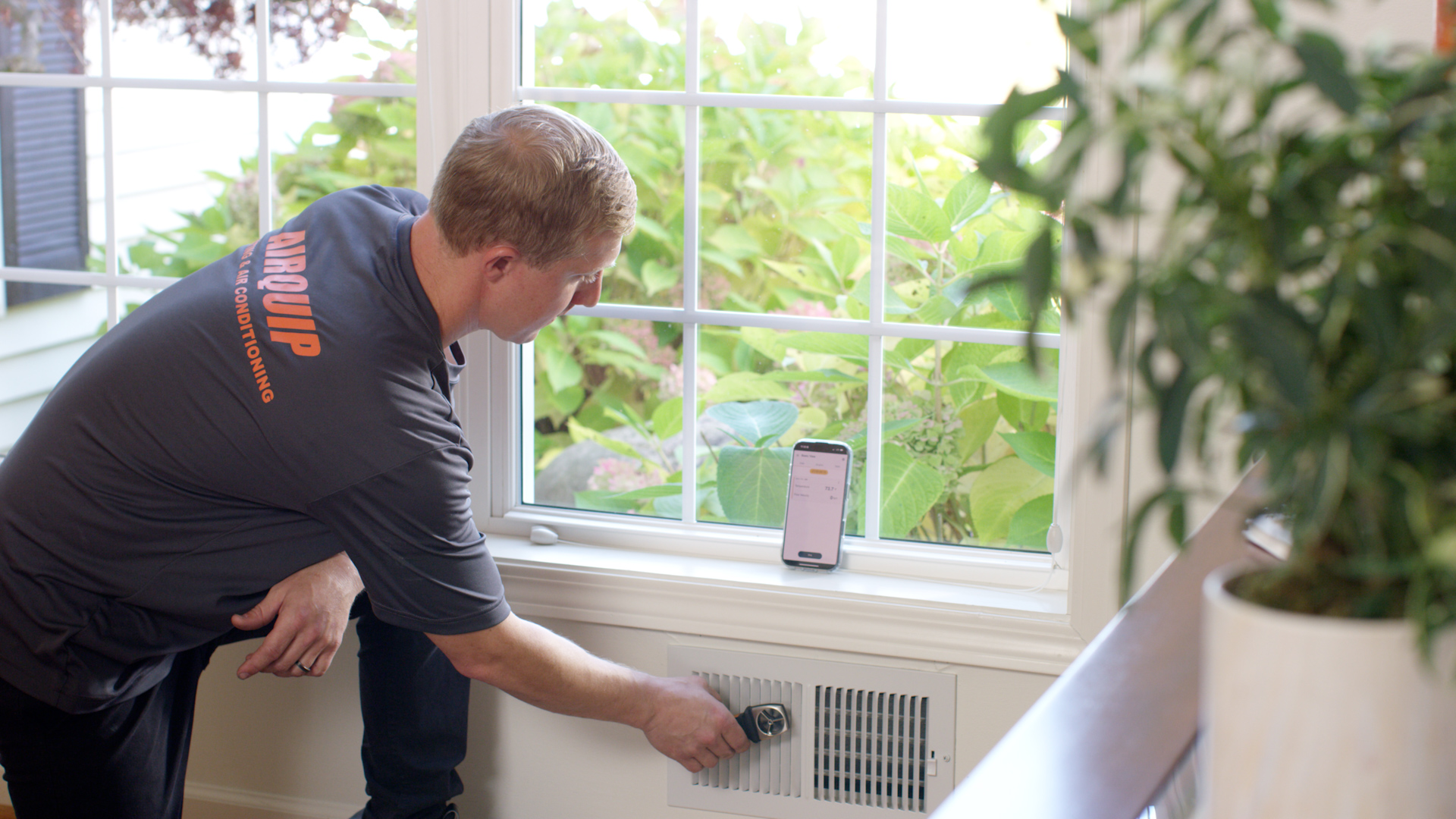
Because every home and every system is different, the most reliable way to make this decision is with a professional assessment rather than assumptions. A technician can evaluate the age of your system, the condition of its components, your repair history, and how well it’s currently performing.
This is also where consistent maintenance plays a role. Homes on a regular maintenance plan tend to catch small issues before they become larger ones, which can make the repair vs. replacement decision clearer when it does come up. Maintenance won’t prevent every issue, but it gives you and your technician a clearer picture of how your system is actually holding up over time.
It’s also worth mentioning that using the correct air filter for your system, and changing or cleaning it as recommended, can affect how efficiently your AC runs. A filter that is overdue for service or too restrictive for the equipment can reduce airflow and make a healthy system seem like it is struggling. That is why the filter is worth checking before assuming there is a larger problem with the equipment.
Making a Confident Decision This Summer
You don’t have to figure this out on your own. Whether your system needs a straightforward repair or the signs point toward something bigger, having a professional evaluate your equipment takes the guesswork out of the decision.
Need help deciding whether to repair or replace your air conditioner? Contact us to schedule your service or request a personalized recommendation. We’ll take a close look at your system and help you choose the option that keeps your home comfortable through the rest of the summer