
DIY videos are everywhere. With a quick search, you can learn how to fix a leaky faucet, build a shelf, or change a tire. For many projects, that is a great thing. You save money, you learn something new, and you get the satisfaction of doing it yourself.
Understandably, some homeowners start to wonder if they can also install or replace their own furnace, air conditioner, or heat pump.
After all, there are plenty of HVAC “how-to” videos online, too.
The problem is that a modern HVAC system is not just another weekend project. It involves electricity, fuel, combustion, venting, refrigerant, codes, permits, and long-term warranty coverage. That is why professional installation and ongoing professional maintenance are both so crucial.
Safety Is The First Reason To Call A Professional
The most important reason to avoid DIY HVAC installation is safety. Heating and cooling systems use powerful sources of energy. If they are not installed correctly, they can put your home and family at risk.
Air conditioning and heat pump systems rely on high-voltage electricity. Incorrect wiring or improper breakers can create fire hazards or damage expensive components. A loose connection or incorrectly-sized circuit may not show up immediately, but it can still cause serious problems later.
Fuel-burning furnaces and boilers introduce another level of risk. When you burn natural gas, propane, or oil, you create carbon monoxide. Your equipment and venting are designed to carry that gas safely out of the home. If the furnace, flue, or vent pipes are not sized or routed properly, carbon monoxide can leak into your living spaces.
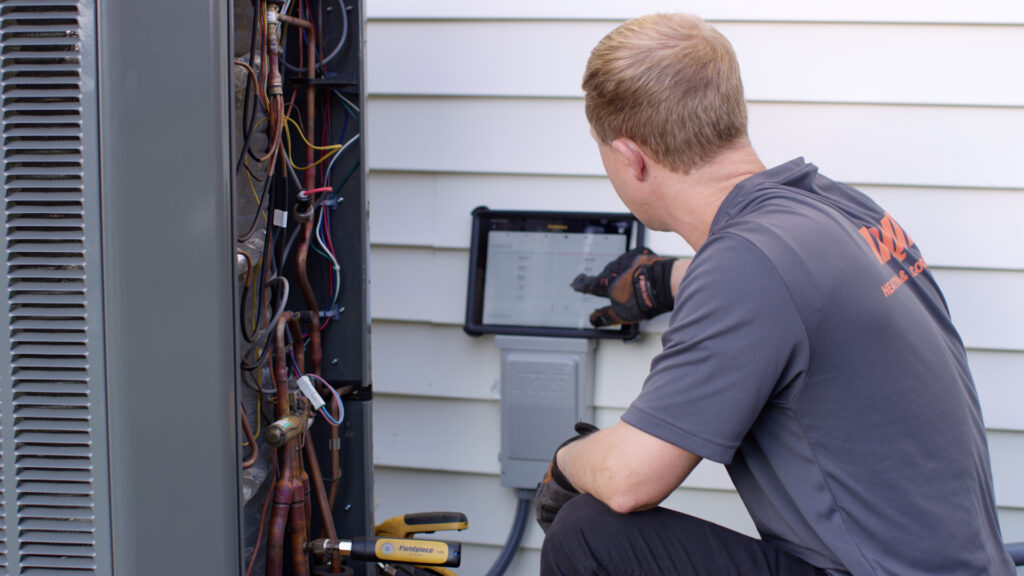
Professional installers are trained to wire systems correctly, size and route venting, test for proper combustion, and confirm that everything is operating safely before they leave.
The Right System Is Not Something To Take Chances On
DIY videos can show you how to physically connect a system, but they cannot tell you whether it is the right system for your home.
Choosing the right HVAC system involves more than picking a brand and a size that “seems about right.” A professional looks at your square footage, insulation levels, windows, layout, and ductwork to perform a proper load calculation. That determines how much heating and cooling your home actually needs.
If the system is too large, it will start and stop frequently instead of running steadily. That can lead to uneven temperatures, noisy operation, higher utility bills, and excess wear on parts. If the system is too small, it will run almost all the time and still struggle to keep your home comfortable. In both cases, you pay more and get less.
A professional recommendation helps ensure that what you install is a good match for your home, your comfort goals, and the Rochester climate.
Installation Affects Comfort, Efficiency, And Longevity
Even if you choose the right equipment, the way it is installed has a huge impact on how it performs.
Professional installers are responsible for more than just making the system turn on. They set refrigerant charge correctly, balance airflow through the ductwork, secure and pitch drain lines, seal connections, and confirm that the system is operating within manufacturer specifications.
When these details are ignored or guessed at, you may end up with:
- Rooms that never quite reach the set temperature
- Weak airflow from some vents and strong airflow from others
- Short cycling or frequent lockouts
- Higher energy bills than you expected
- Parts wearing out sooner than they should
A system that is professionally installed and set up correctly has a much better chance of delivering the comfort and efficiency you paid for.
Warranty Coverage And Maintenance
Most manufacturers offer strong factory warranties on furnaces, air conditioners, and heat pumps. However, those warranties usually have clear conditions. In many cases:
- The system must be installed by a qualified professional
- The system must be maintained regularly, often by a professional
- Records of installation and maintenance must be available if you file a claim
If you install the system yourself or skip professional maintenance, you may unknowingly void that coverage. That means a major repair that could have been covered under warranty might end up being entirely out of pocket.
Professional installation followed by regular professional maintenance is the best way to protect both your equipment and your warranty.
The Real Cost Of A “Money-Saving” DIY Install
The main reason people think about installing their own HVAC system is to save money on labor. At first glance, that seems straightforward. But the long-term picture often looks different.
A DIY installation can lead to:
- Higher utility bills if the system is not properly sized or set up
- More frequent breakdowns because issues were not caught early
- Shorter equipment life due to extra strain on components
- Safety concerns that eventually require corrective work
- Warranty problems that leave you paying for repairs yourself
When you add these factors up, any savings on installation can disappear quickly. Professional installation is an investment in getting the full life, performance, and value out of the system you bought.
What You Can Safely Handle Yourself
There are still important parts of HVAC care that homeowners can and should handle on their own. DIY makes sense for tasks like:
- Changing filters on schedule
- Keeping the area around the outdoor unit clean and clear
- Making sure vents and returns are not blocked
- Adjusting your thermostat schedule for comfort and savings
These are simple, low-risk tasks that make a real difference. Beyond that, especially if it involves wiring, gas, combustion, or opening the equipment cabinet, it is better to bring in a professional.
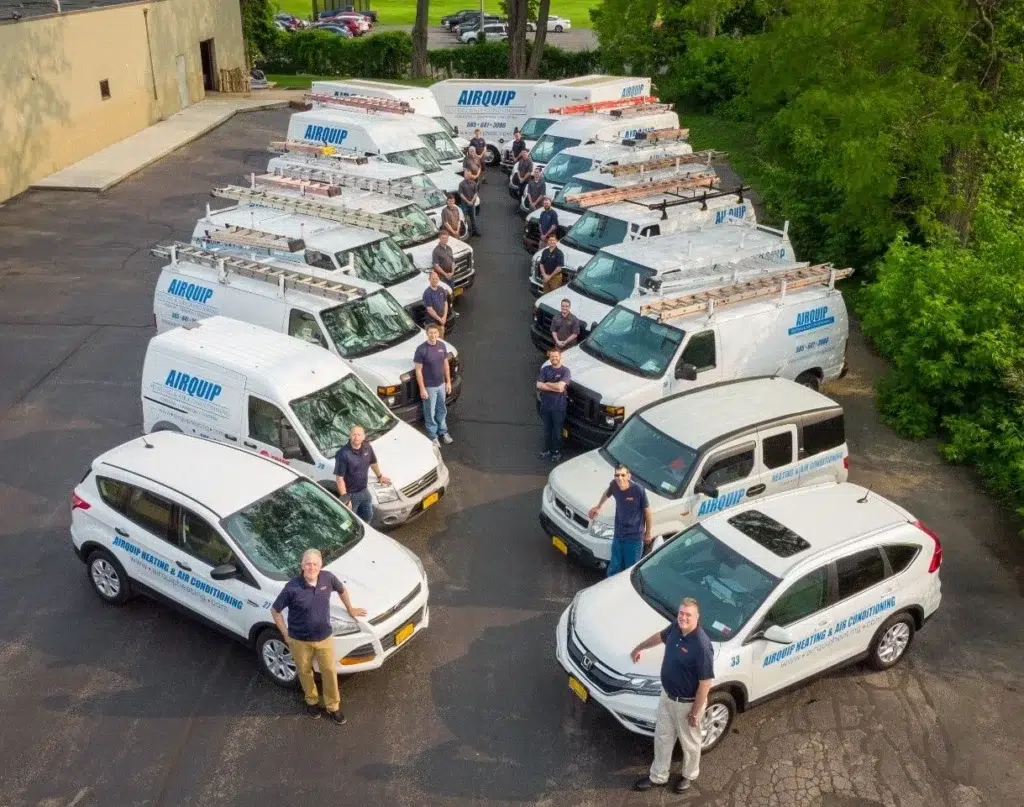
Why Work With Airquip For Installation And Maintenance
When you choose Airquip to install your HVAC system, you get more than a basic hookup. You get:
- Help selecting the right system for your home and budget
- Proper sizing and design based on a professional evaluation
- Code-compliant, manufacturer-approved installation
- Start-up testing, adjustments, and explanation of how to use your new system
- Ongoing maintenance options to help keep your system running safely and efficiently
Our goal is not just to get your system running, but to help it run well for years to come.
Ready To Talk To A Professional?
If you are considering a new furnace, air conditioner, heat pump, or ductless system, you do not have to rely on a DIY video or guess your way through the process.
Need help getting started? Contact us to schedule your in-home estimate or request a personalized recommendation for your HVAC installation and maintenance plan.