
If your home feels warm in the winter and cool in the summer, it is easy to assume everything is working properly. But temperature is only part of the comfort equation. The quality of the air you breathe every day matters just as much, and it often affects how you feel in subtle ways.
Your HVAC system constantly circulates air through your home. That means how your heating and cooling system affects air quality has a direct impact on comfort, wellness, and even how your home smells and feels. When air quality starts to suffer, the signs usually show up gradually.
You might notice more dust, persistent odors, or allergy symptoms that seem worse indoors. Over time, those annoyances can point to larger issues with filtration, airflow, ventilation, or humidity. When that happens, it may be time to take a closer look at your options for indoor air quality services instead of brushing those symptoms aside.
Below are some of the most common signs your home’s air quality is suffering and what they typically mean.
You Are Dusting All The Time
Some dust is normal. Having to wipe down furniture only to see another layer appear a day or two later is not.
When dust constantly builds up on shelves, electronics, ceiling fan blades, and vents, it often means your HVAC system is circulating particles rather than capturing them. This can happen when filters are overdue for replacement, not rated high enough for your household, or when ductwork is pulling dust in from places like basements or crawlspaces.
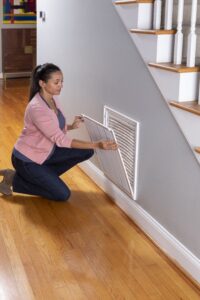
In many cases, choosing the right air filter for your home makes a noticeable difference. Upgrading from a basic fiberglass filter to a pleated option with an appropriate MERV rating helps capture more airborne debris before it spreads throughout the house. Factors like pets, allergies, or heavy system use can also impact how often filters should be replaced, which is why understanding the reasons to change your air filter more often can be helpful.
Odors Hang In The Air Longer Than They Should
Cooking smells, pet odors, fireplace smoke, and everyday household scents should fade over time. When they linger for hours, it is often a sign that your home does not have enough effective filtration or fresh air exchange.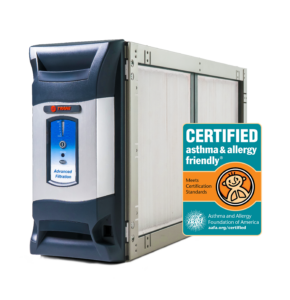
Stale air is common in homes where windows remain closed most of the year, and the HVAC system does all the circulating. If opening a window helps temporarily, but the odor returns, the issue is usually not the smell itself. It is how the air is being filtered and refreshed.
Sometimes, better filtration solves the problem. In other cases, homeowners benefit from a dedicated air purification system designed to reduce odors and airborne particles that standard filters struggle to handle.
Allergy Or Cold Symptoms Are Worse Indoors
If you or your family feel worse inside the house than outside, indoor air quality may be part of the problem. Sneezing, coughing, itchy eyes, scratchy throats, or pressure headaches that ease when you leave the house are all signs worth paying attention to.
This is especially noticeable in winter, when windows are closed, and heating systems run for long periods. Allergens such as pollen, pet dander, and dust mites can build up quickly without proper filtration and airflow.
A filter that is sized and rated correctly for your home, and changed on a consistent schedule, often helps. For many households, combining better filtration with professional indoor air quality services provides the most consistent relief.
The Air Feels Stuffy Or Stale
Sometimes there is no visible dust or strong odor. The air simply feels heavy or uncomfortable. Rooms may feel stuffy even when the thermostat indicates the temperature is correct.
This can happen when there is limited fresh air exchange or when airflow is restricted by closed doors or blocked vents. Older HVAC systems that were not designed with modern ventilation needs in mind can struggle to keep indoor air feeling fresh.
If you find yourself opening windows in the middle of winter to feel comfortable, it is often a sign your system needs help circulating and refreshing air. A closer look at how your heating and cooling system affects air quality can reveal whether system adjustments or upgrades would help.
You Notice Humidity Or Condensation Problems
Indoor air quality is closely tied to humidity. When moisture levels are not balanced, both comfort and air cleanliness suffer.
Condensation on windows, musty basement odors, peeling paint, or small areas of mold usually point to excessive moisture. On the other hand, very dry air often shows up as static shocks, irritated sinuses, dry skin, and chapped lips.
Your HVAC system, along with any humidifiers or dehumidifiers, plays a major role in maintaining balance. If these issues persist, it may help to look into how your current setup is managing moisture effectively.
Your HVAC System And Filters Look Dirty
Your HVAC system often reflects the quality of the air moving through it. Filters that turn gray or dark quickly, dusty vent covers, or a musty smell when the system starts are clues that debris is being circulated.
When internal components are dirty, airflow suffers and efficiency drops. Routine HVAC maintenance helps systems operate properly while supporting better indoor air quality throughout the home
What To Do If You Notice These Signs
If several of these symptoms sound familiar, your indoor air quality may need attention. Replacing filters regularly, keeping vents clear, and scheduling professional maintenance are good starting points.
Need help getting started? Contact us to schedule your service or request a personalized recommendation. Our team can evaluate your system and help you breathe easier at home.